
Customized contact lenses designed to provide clear, comfortable vision for patients who may not get the results they need from traditional contacts. Scleral lenses vault over the cornea and rest on the white of the eye — which makes them an option for keratoconus, irregular corneas, significant dry eye and prescriptions that ordinary lenses struggle to correct.
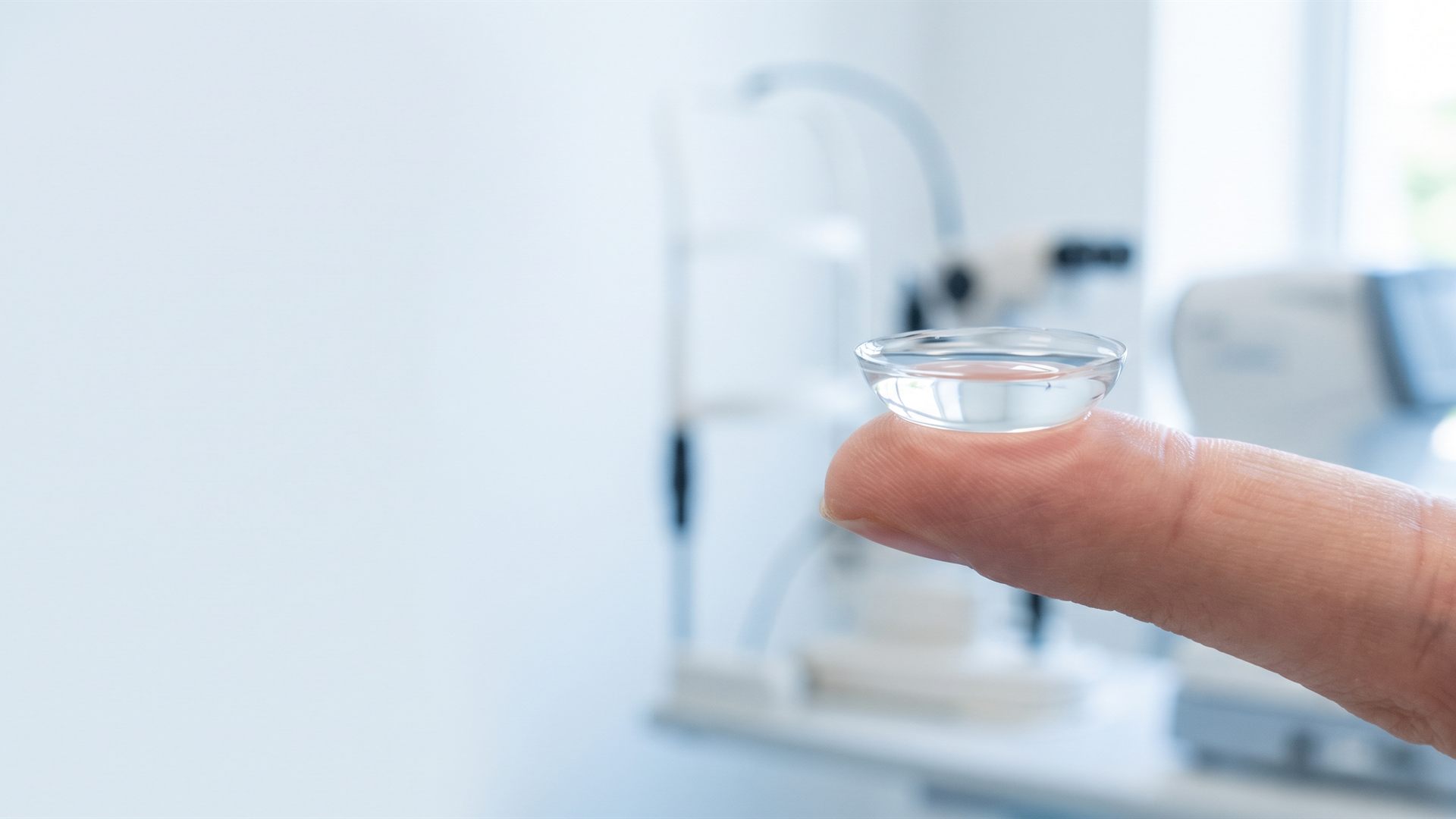
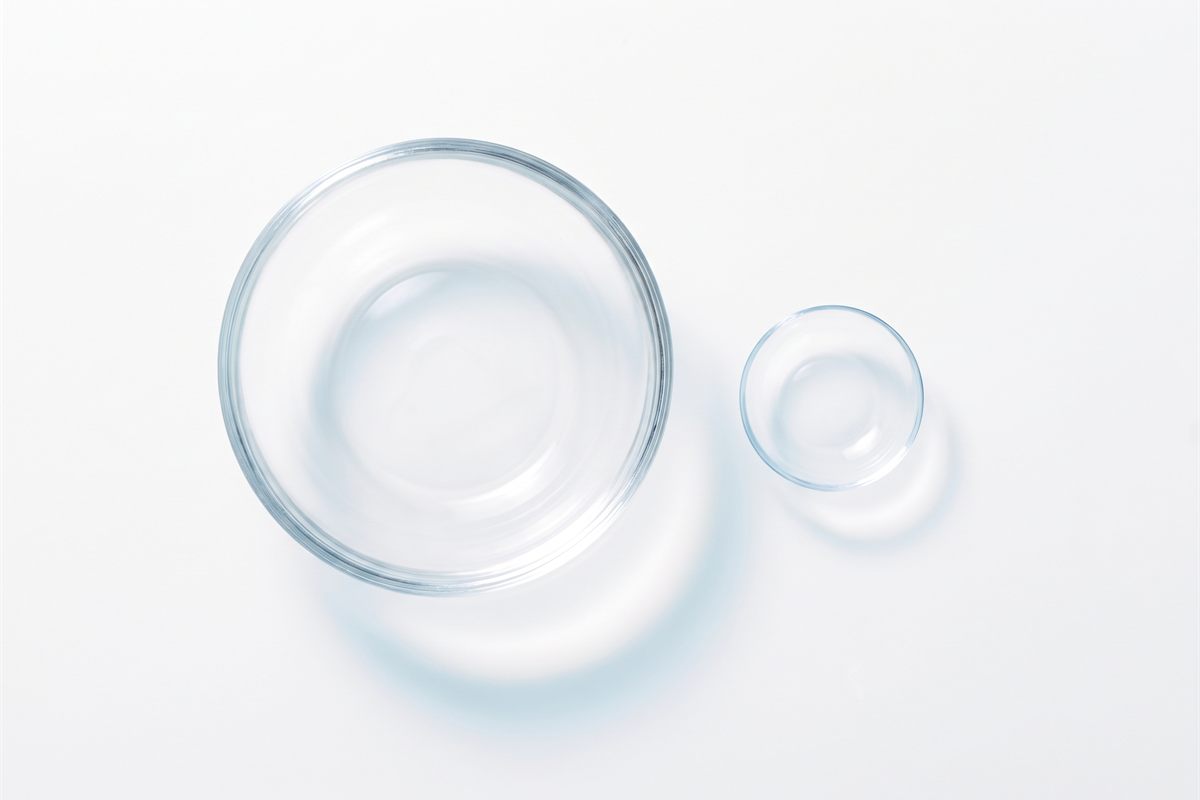
Scleral lenses are rigid gas-permeable contact lenses that are noticeably larger than the contacts most people know. A standard soft lens is about 14 millimeters across and rests directly on the cornea, the clear dome at the front of the eye. A scleral lens typically measures between 15 and 24 millimeters — large enough that its edge lands beyond the cornea altogether, on the sclera, the white part of the eye.
Because the lens is rigid, it doesn’t drape over the cornea the way a soft lens does. It arches — vaults — over it, and the bowl of the lens is filled with sterile, preservative-free saline before it goes in. That thin layer of fluid stays trapped between the lens and the cornea for as long as the lens is worn.
Three things follow from that design. The lens never touches the cornea, so an irregular or sensitive corneal surface isn’t rubbed by it. The saline underneath keeps the cornea bathed while the lens is worn. And the smooth front of the lens, together with the fluid beneath it, presents the eye with a regular optical surface even when the cornea itself is not — which is the reason scleral lenses are so often used for keratoconus and other irregular corneas.
A conventional lens and a scleral lens sit on the eye in completely different ways. The cross-sections below are simplified, but the mechanism is exactly this.
Rests directly on the cornea and follows its shape — including any irregularity in it. Only the tear film sits between lens and eye.
Vaults over the cornea, lands on the sclera, and holds a layer of preservative-free saline between the lens and the eye.
The lens is shaped so its central portion clears the cornea completely. Only its outer edge — the landing zone — touches the eye, and it does so on the sclera.
Before insertion, the bowl of the lens is filled with sterile, preservative-free saline. Once the lens is on the eye, that saline remains as a reservoir for the whole wearing period.
Light passes through the smooth front of the lens and the saline before it reaches the cornea, so the eye is effectively looking through a regular surface even when the cornea is not.
Scleral lenses can be considered for a wide range of eyes. The common thread is a cornea or ocular surface that conventional lenses don’t serve well.
Having one of these conditions doesn’t automatically mean scleral lenses are the answer. Some eyes do better with a smaller rigid lens, a hybrid lens or a custom soft lens — the other categories covered on our specialty contact lenses page — and for nearsightedness that is still progressing in a child or teen, orthokeratology (Ortho-K) may be worth asking about. An evaluation is how we find out which.
The cone is left untouched. The saline takes up its irregular contour and the lens provides a smooth surface for light to enter through.
Keratoconus is a condition in which the cornea gradually thins and bulges forward into a cone shape. As the shape becomes more irregular, the eye’s optics are distorted in ways glasses can’t fully correct. Standard soft lenses drape over the cone and take on its shape, so in many patients they don’t provide adequate vision either.
A scleral lens takes a different approach. It vaults the cone entirely, and the saline beneath it fills the irregular contour. Light then enters the eye through the lens’s smooth front surface rather than the irregular cornea, which may substantially improve clarity for many people with keratoconus.
What scleral lenses don’t do. They don’t stop keratoconus from progressing, and they don’t reverse the changes already in the cornea. They are a vision and comfort management tool, and people with keratoconus should have ongoing professional eye care.
For most people with dry eye, contact lenses make things worse: a soft lens draws on the tear film and dries out on the eye. A scleral lens works differently. The saline reservoir sits against the cornea for the entire wearing period, so the corneal surface is bathed rather than dried, and the rigid lens shields it from the air and from the friction of each blink.
For some patients with significant dry eye or other ocular surface conditions, that may mean improved comfort compared with conventional lenses. Scleral lenses are not a treatment for the cause of dry eye, and they aren’t automatically appropriate for every dry-eye patient. Dr. Grossman evaluates the health of the eye’s surface first, and scleral lenses are considered alongside — not instead of — dry eye treatment.
Neither is “better.” They’re built for different eyes, and the right choice depends on your cornea, your prescription and how your eyes have done with lenses before.
| Standard soft contact lenses | Scleral lenses | |
|---|---|---|
| Size | Smaller — about the size of the cornea. | Larger in diameter, extending past the cornea onto the sclera. |
| Material | Soft, flexible hydrogel or silicone hydrogel. | Rigid gas-permeable material that holds its shape. |
| Where it rests | Directly on the cornea, following its shape. | On the sclera. The cornea is vaulted, not touched. |
| Under the lens | A thin tear film only. | A reservoir of preservative-free saline. |
| Typical use | Routine prescriptions on eyes with a regular corneal shape. | Irregular corneas, keratoconus, significant dry eye, complex prescriptions. |
| Fitting | Usually one or two visits, using stock trial lenses. | Several visits with diagnostic lenses and refinement. |
Every benefit below depends on a good fit — which is why the fitting process matters as much as the lens.
Each lens is specified from measurements of your eye, so the vault, the landing zone and the optics are matched to you rather than to an average.
By presenting a smooth optical surface over an irregular one, scleral lenses can improve clarity for many eyes that glasses and soft lenses don’t correct well.
The lens lands on the sclera and doesn’t shift with each blink the way a small lens can, so vision tends to stay steady through the day.
Because the sensitive cornea isn’t touched, many patients find well-fitted scleral lenses comfortable — though comfort varies, and the fit may need adjusting.
The saline layer keeps the corneal surface bathed while the lens is worn, which may help patients with dry eye or a fragile ocular surface.
High powers, large amounts of astigmatism and unusual combinations can be built into a scleral lens design when stock lenses can’t match them.
A scleral lens fitting is more involved than a routine contact lens fitting, and deliberately so: the lens is being built to your eye. Here’s how it typically unfolds at our office.
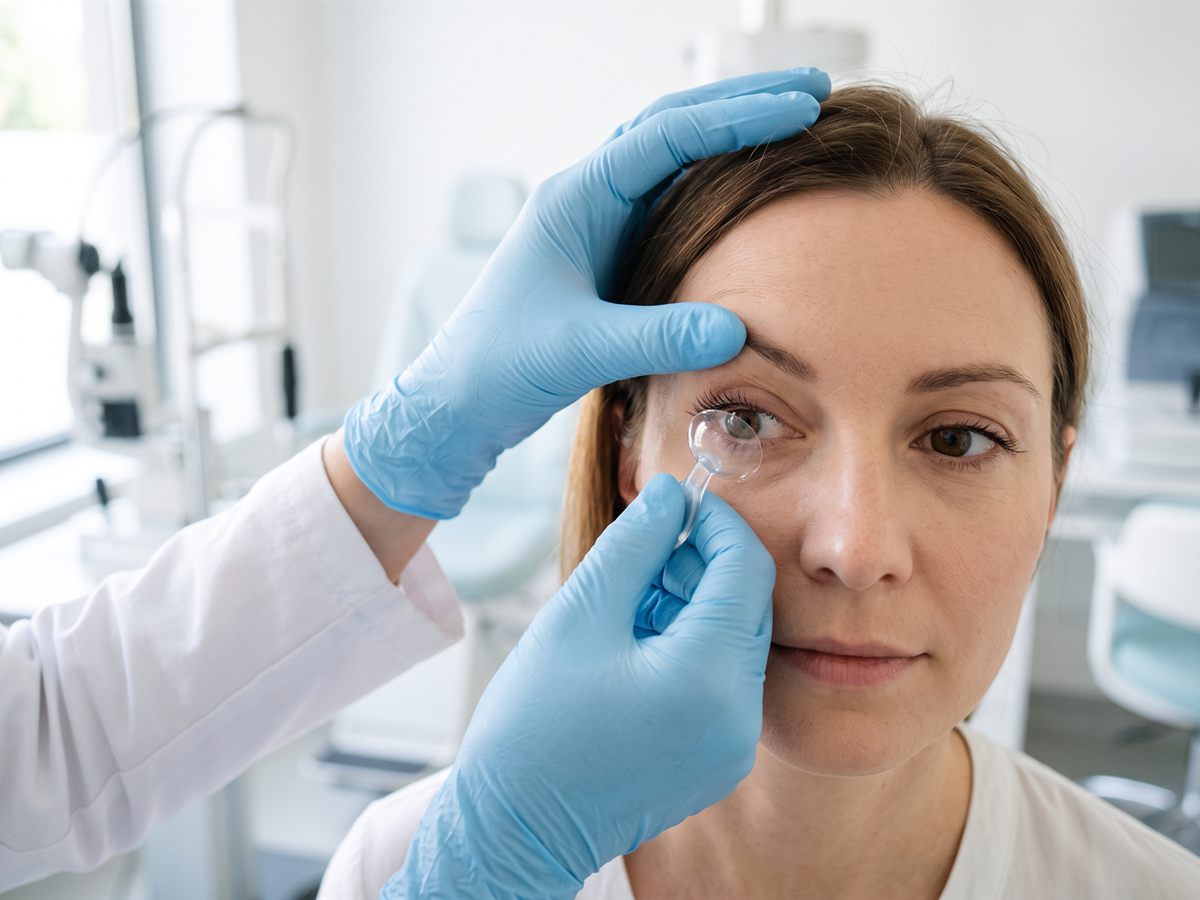
It’s common for the first lens to be modified once or more before the fit, comfort and vision are right. The number of visits depends on your eyes and isn’t promised in advance — a fitting is rarely finished in a single visit.
Every fitting starts with a comprehensive eye exam. Dr. Grossman assesses the health of your cornea and ocular surface, your prescription and your history with lenses, and whether scleral lenses are appropriate for you.
Detailed measurements of your cornea’s curvature and shape, the overall dimensions of the eye and your refraction are taken. These become the starting point for the lens design.
A diagnostic scleral lens close to your specifications is filled with saline and placed on the eye. Dr. Grossman evaluates how it vaults, aligns, centers and how well you see through it.
Based on how the diagnostic lens performs, the design is adjusted — vault, diameter, edge profile, power — sometimes more than once. Refinement is normal, not a sign something has gone wrong.
Your final specifications are sent to the lab and your lenses are made to order. When they arrive, we confirm on the eye that the fit and vision match what was planned.
You’ll learn to fill, insert, remove, clean and store your lenses safely, and practise until you’re confident doing it yourself.
Follow-up visits check the fit, your comfort, your vision and the health of the cornea and ocular surface for as long as you wear scleral lenses.
Most people’s first question after “will they work?” is “what will they feel like?” Honestly: different, at first. Placing a bowl of saline onto your eye is a new skill, and the lens is larger than anything you may have handled before. Once the lens is on, though, it isn’t resting on the cornea — and that’s where most contact lens awareness comes from.
No practice can guarantee comfort, and we won’t. What we can do is fit carefully, adjust when needed and teach you well.
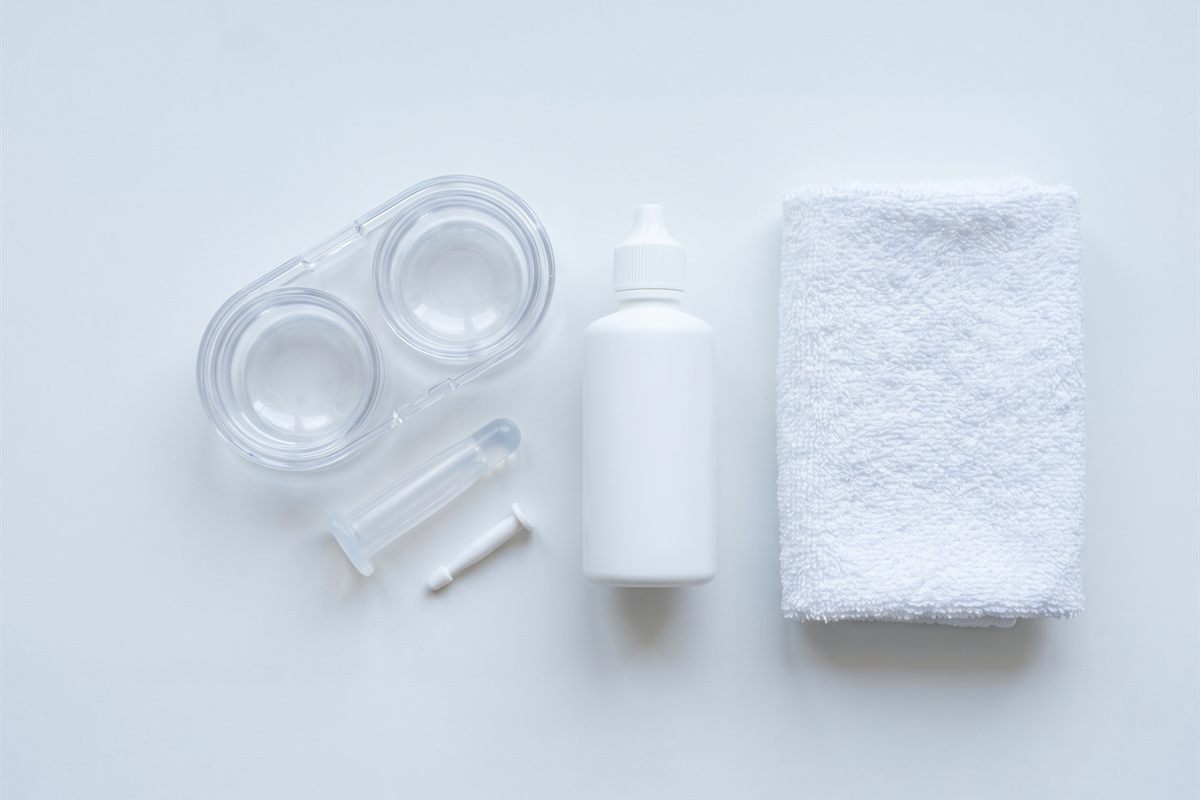
Scleral lenses reward a consistent routine. Yours will be tailored to your lenses and your eyes, and Dr. Grossman will recommend specific care products at your training visit — but the principles are the same for everyone.
Care products, replacement schedules and any extra steps for your eyes are covered at your training visit and reviewed at follow-ups.
There’s no fixed number. A scleral lens is a durable, rigid lens typically worn much longer than a soft lens before replacement — but its lifespan depends on several things:
Scratches, warping, surface deposits and changes to your cornea or prescription are all reasons a lens may need replacing sooner. Regular professional evaluation is the only reliable way to know.
Scleral lenses are designed to provide a stable, customized fit, and many patients find them comfortable once properly fitted — sometimes more so than the soft lenses they struggled with. But comfort varies between individuals, and achieving the right fit may take adjustments.
If a scleral lens is uncomfortable, it’s usually telling us something: the vault, the edge or the insertion technique needs attention. That’s why follow-up is built into the process rather than left to chance.
We don’t publish patient testimonials about comfort. Your experience will be your own, and we’d rather earn it than promise it.
You may want to ask about scleral lenses if any of these apply to you.
Only an eye-care professional can determine whether scleral lenses are appropriate for your eyes. The evaluation is where that answer comes from — and if scleral lenses aren’t the right fit, it will point to what is.
Straight answers to what patients in Miami ask us most about scleral lenses.
Call and we’ll tell you whether to book a scleral lens evaluation or a routine contact lens exam — and check your insurance while you’re on the line.
Call (305) 466-0777Scleral lenses are large-diameter rigid gas-permeable contact lenses that vault over the cornea and rest on the sclera, the white of the eye. The space between the lens and the cornea is filled with preservative-free saline. They’re custom-fitted and most often used for keratoconus, irregular corneas, significant dry eye and complex prescriptions.
Size, material and where they sit. A regular soft lens is small, flexible and rests directly on the cornea. A scleral lens is larger and rigid, vaults the cornea without touching it, lands on the sclera and holds a layer of saline underneath.
They are among the most commonly used lens designs for keratoconus. By vaulting the cone and filling the irregular surface with saline, a scleral lens presents a smooth optical surface that may substantially improve vision for many patients. They don’t stop or reverse keratoconus, so ongoing eye care remains essential.
They may. The saline reservoir bathes and protects the cornea while the lens is worn, and some patients with significant dry eye find scleral lenses more comfortable than conventional contacts. They don’t cure dry eye or treat its cause, and they aren’t appropriate for every dry-eye patient.
Many patients find them comfortable once properly fitted, because the lens rests on the less sensitive white of the eye rather than on the cornea. Comfort varies between individuals, getting the fit right may take adjustments, and insertion feels unfamiliar at first.
It varies. Some people adapt within a few days; for others it takes a few weeks, especially while they’re still learning insertion and removal. If a lens stays persistently uncomfortable, it usually means the fit or the technique needs adjusting.
Not unless your eye doctor has specifically told you to. Scleral lenses are normally removed before sleep, cleaned and disinfected, and stored overnight. Sleeping in them without instruction raises the risk of complications.
There’s no fixed lifespan. Scleral lenses are typically worn far longer than soft lenses before replacement, but material, care, handling, wear schedule, surface deposits, manufacturer recommendations and changes in your eyes all affect it.
They take practice. The lens is filled with saline and placed on the eye while you lean forward, usually with a small plunger. Most people find it awkward for the first few attempts and routine within a couple of weeks. We teach and practise the technique with you before you take your lenses home.
More than standard contacts, because each lens is custom-made and the fitting involves several visits and professional time. The exact cost depends on your diagnosis, the lens design and the number of visits your fitting requires. We’ll go over the fees for your situation before you commit to anything.
Sometimes. Some vision and medical plans provide benefits for medically necessary contact lenses when there’s a qualifying diagnosis such as keratoconus, while others don’t. We’ll check your specific plan before your visit — call (305) 466-0777.
Longer than a standard fitting. Expect an evaluation and measurement visit, one or more diagnostic lens visits, a dispensing and training visit when your lenses arrive, and follow-ups. The number of visits varies from person to person and can’t be promised in advance.

Scleral lenses are individually fitted, and the only way to know whether they’re the right lens for your eyes is a professional evaluation. Book with Dr. Grossman, or contact our office and we’ll help you take the first step.
Serving Aventura, North Miami Beach, Sunny Isles Beach and the rest of North Miami-Dade · (305) 466-0777
This page provides general educational information about scleral lenses and is not a substitute for an eye examination. Only an eye doctor who has examined your eyes can determine whether scleral lenses are appropriate for you.
Conveniently located in downtown with ample parking. We accept most major insurance plans including VSP, EyeMed, and Blue Cross Blue Shield.
