
Custom contact lens solutions for patients who need more than standard contacts. If keratoconus, an irregular cornea, significant astigmatism, dry eye or a complex prescription has made ordinary lenses a struggle, a specialty contact lens fitting may open up options you haven’t tried.
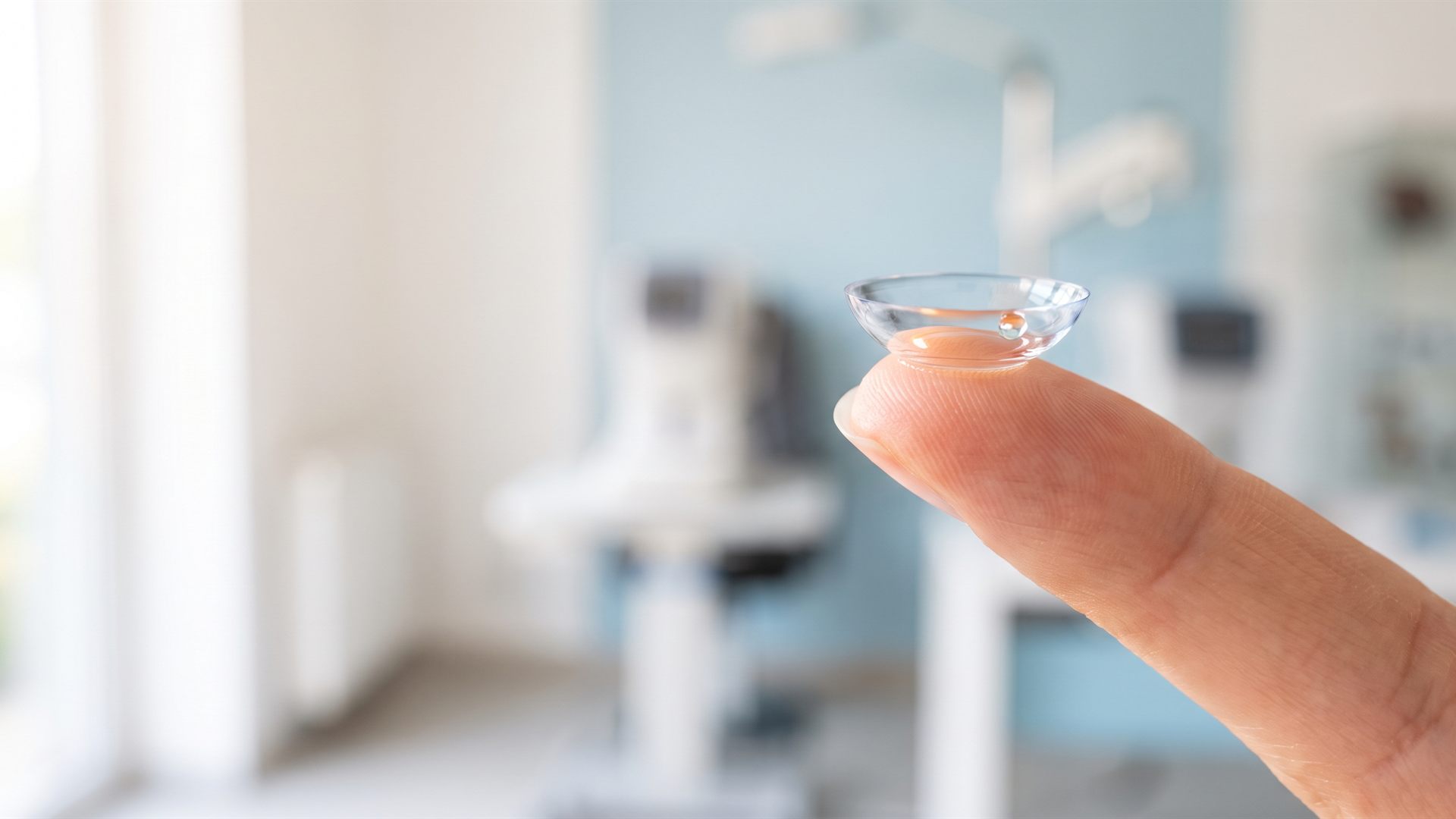
Conventional soft contact lenses are an excellent choice for most people. They come in daily, monthly and extended-wear designs, they correct common prescriptions well, and for many patients they’re all that’s ever needed. But a standard lens is made to suit an average eye. When an eye falls outside that range, the result can be vision that never quite sharpens, lenses that feel fine for an hour and then irritate, or a prescription no off-the-shelf lens can fully correct.
A specialty lens evaluation is often worth considering when a patient has:
Specialty lenses aren’t “better” than standard contacts — they’re different tools for different eyes. If a conventional lens works well for you, that’s usually the right lens. Dr. Grossman can determine which category fits your eyes.
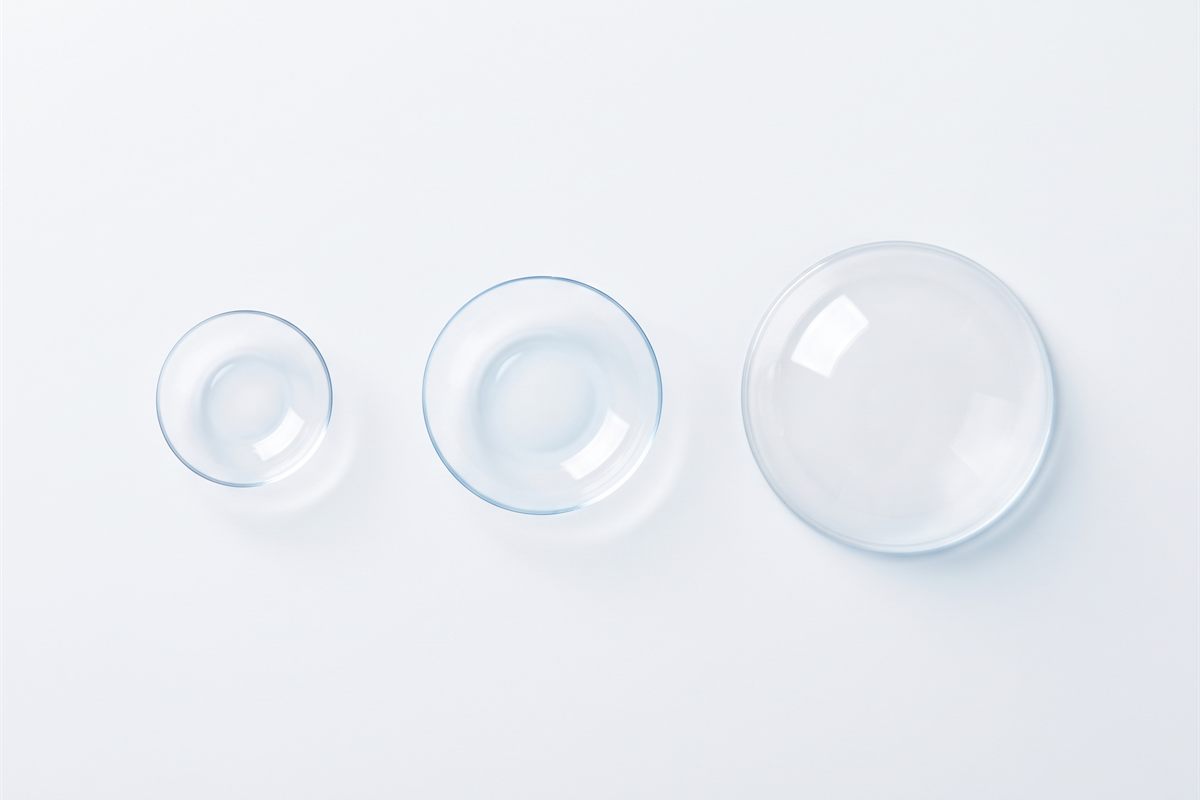
Specialty contact lenses are custom-designed lenses built around an individual eye rather than an average one. Instead of choosing from a limited set of stock curves and powers, your eye doctor takes detailed measurements of your eye and specifies a lens whose size, curvature, material and optics are matched to your cornea, your prescription, your visual goals and any eye-health condition you have.
“Specialty” isn’t one product. It covers several lens technologies — from large scleral lenses that rest on the white of the eye, to overnight orthokeratology lenses, to small rigid gas permeable and hybrid designs and custom-made soft lenses. Which one is appropriate depends entirely on the eye in front of the doctor.
Diameter and curvature follow your measurements, not a catalogue.
Optics are specified for your prescription, including complex ones.
Material and design account for the condition of your cornea and eye surface.
| Standard soft contact lenses | Specialty contact lenses | |
|---|---|---|
| Design | Mass-produced in a range of standard sizes, curves and powers. | Custom-specified from measurements of your individual eye. |
| Fitting | Usually straightforward — trial lenses come from stock, one or two visits typical. | A step-by-step process using diagnostic lenses, refined over several visits. |
| Well suited to | Eyes with a regular corneal shape and common prescriptions. | Irregular corneas, complex prescriptions, dry eye and other eyes standard lenses don’t serve well. |
| Care | Daily disposable through monthly replacement schedules. | Often rigid or custom-made lenses with their own cleaning routine, which your doctor will explain. |
These are the designs most often considered in a specialty contact lens fitting. Which one is appropriate depends on your eye’s shape, your prescription and your goals.
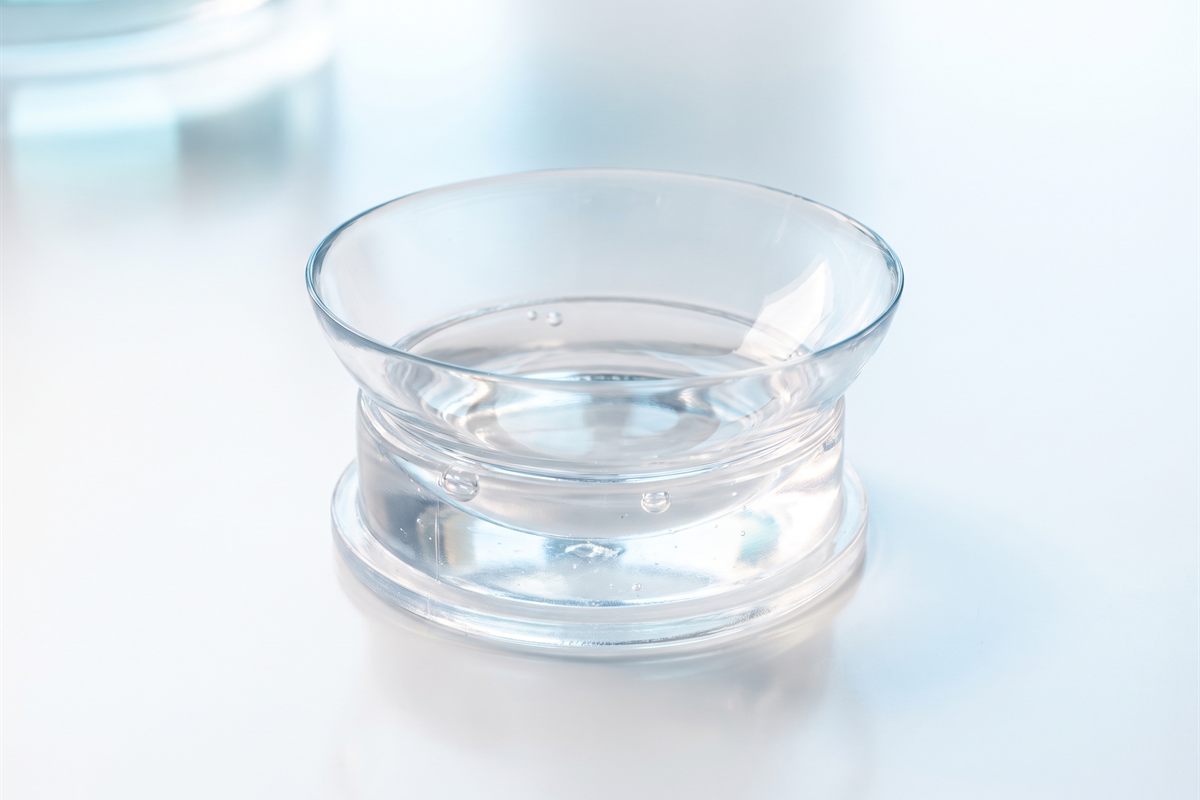
Scleral lenses are large-diameter rigid gas-permeable lenses. Rather than resting on the cornea the way most contacts do, a scleral lens vaults completely over it and lands on the sclera — the white of the eye — which is far less sensitive than the cornea.
Because the lens never touches the cornea, its smooth front surface can provide a new, regular optical surface for eyes whose corneas are irregular, and the space beneath it stays filled with preservative-free saline, which is why scleral lenses are also considered for some patients with significant dry eye.
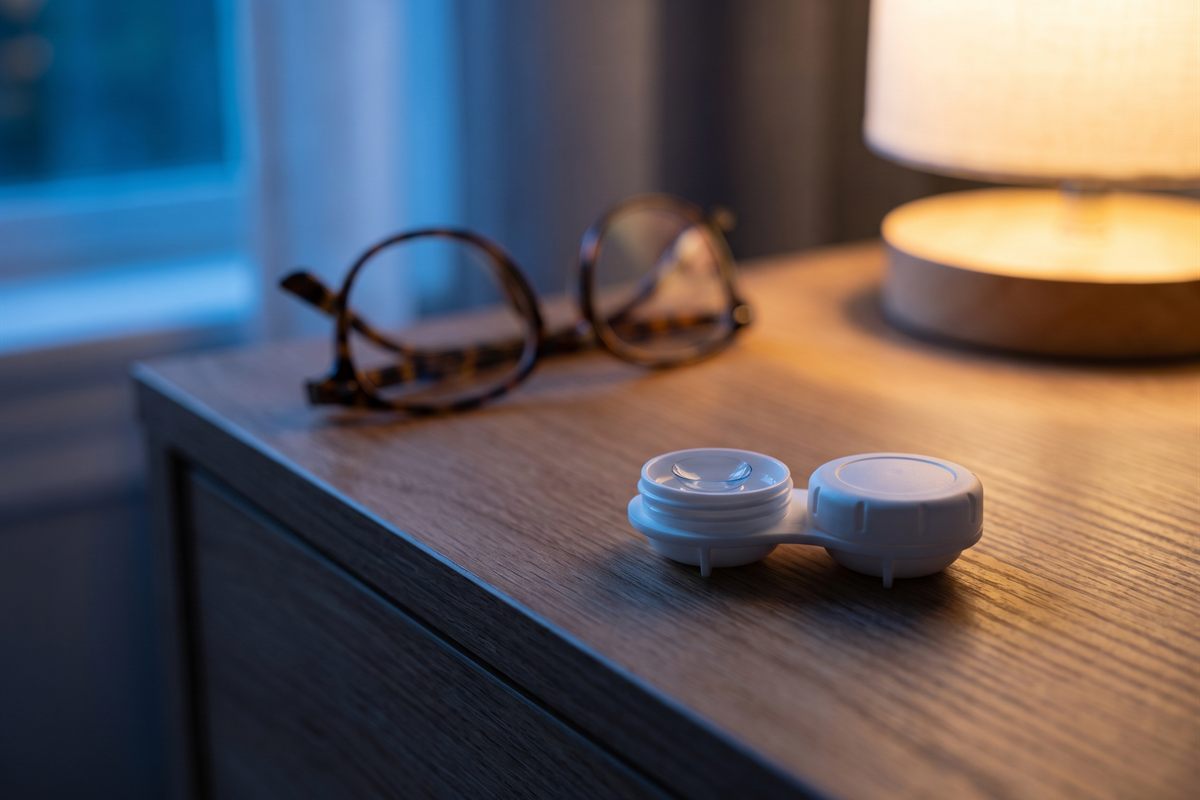
Orthokeratology uses specially designed rigid lenses that are worn overnight and removed in the morning. While you sleep, the lens gently and temporarily reshapes the front surface of the cornea. For suitable candidates, this can reduce the need for glasses or daytime contacts during waking hours. The effect is temporary, so Ortho-K is an ongoing nightly routine rather than a one-time change.
Ortho-K is most commonly used for nearsightedness (myopia) and some lower amounts of astigmatism. It is also one of the approaches used in myopia management for some children and teenagers, where the goal is to help slow the progression of nearsightedness over time. Results vary from person to person, and your eye doctor can determine whether Ortho-K is appropriate for you or your child.
Specialty care is individualized, and sometimes the right answer is a smaller or simpler design than a scleral lens.
Small, durable rigid lenses that hold their shape and deliver crisp optics. RGP lenses suit many prescriptions, including some astigmatism and mild corneal irregularity. Often considered when sharp vision matters most and a smaller lens is preferred.
A rigid center for clear optics surrounded by a soft outer skirt for comfort and stability. Often considered for astigmatism, some irregular corneas, and patients who found rigid lenses hard to adapt to.
Soft lenses made to measurements outside the standard range — unusually high or low powers, large amounts of astigmatism, or eyes larger or smaller than average. Often considered for prescriptions stock soft lenses can’t match.
You don’t need a diagnosis to ask. These are the situations that most often lead patients to a specialty lens fitting.
If one or more of these sounds familiar, a specialty contact lens evaluation is a sensible next step. It doesn’t commit you to anything — it simply tells you what your options are.
A specialty fitting is a series of measured steps, not a single visit. Here’s how it typically unfolds at our office.
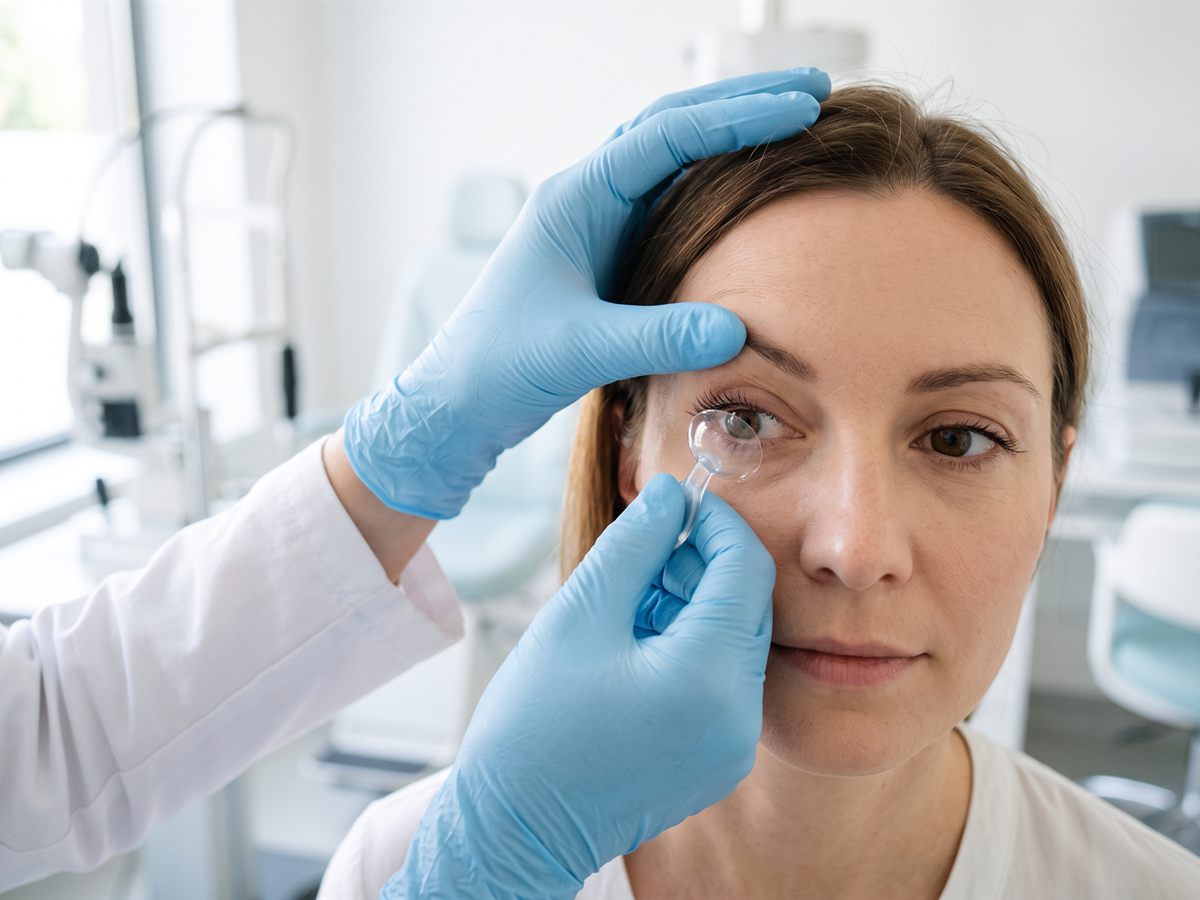
Because specialty lenses are made to your eye, it’s common for the first lens to be adjusted once or more before the fit and vision are right. Dr. Grossman will tell you what to expect at each stage — the number of visits depends on your eyes and isn’t promised in advance.
Every fitting starts with a comprehensive eye exam. Dr. Grossman reviews your health and vision history, your previous lens experience, and the health of your cornea and eye surface to confirm that a specialty lens is appropriate — and which category makes sense for you.
Detailed measurements of your cornea’s curvature and shape, the dimensions of your eye and your refraction are taken. These numbers are the blueprint the lens design is built from.
A trial (diagnostic) lens close to your specifications is placed on the eye and evaluated: how it sits, how it moves, how it clears the cornea and how well you see through it.
Based on how the diagnostic lens performs, the design is adjusted — curvature, diameter, edge, power — sometimes more than once. This is the step that turns a good starting point into your lens.
Your final specifications go to the lab and your lenses are manufactured to order. When they arrive, we confirm the fit, check your vision, and teach you how to insert, remove and care for them.
Specialty lenses need periodic check-ups to confirm the fit is still healthy for your eye and your vision is stable. Corneas can change, and so can prescriptions — regular follow-up keeps your lenses working for you.
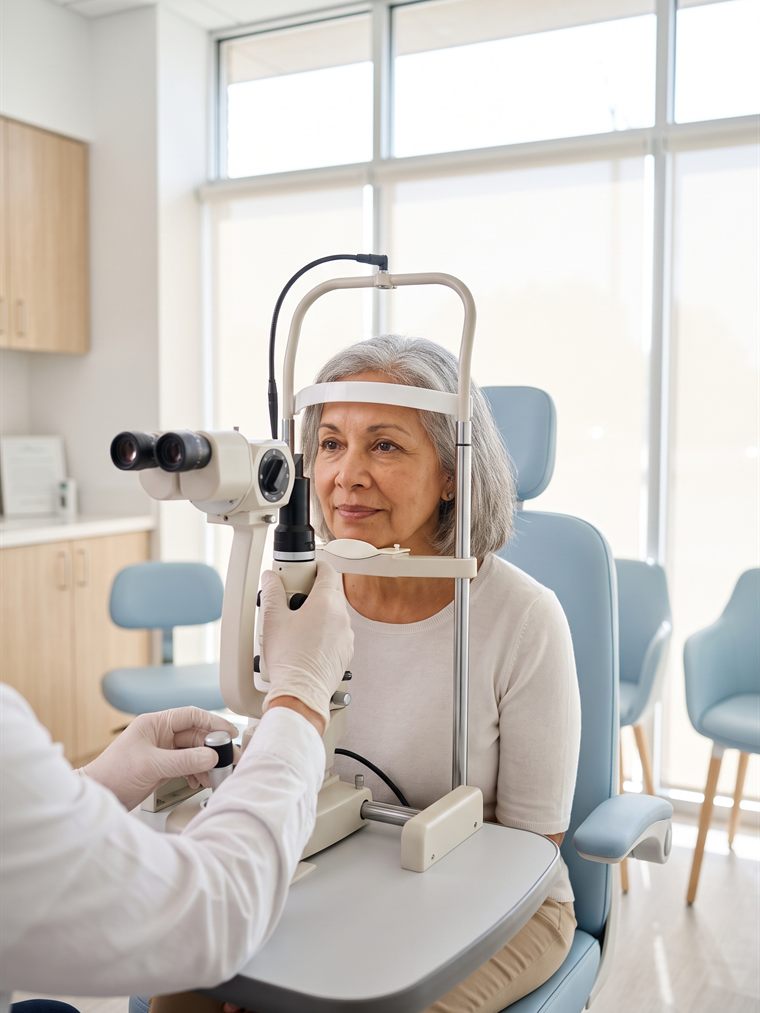
A specialty lens is only as good as the measurements behind it. Our office uses advanced diagnostic technology — including OCT imaging and digital retinal photography — for eye-health evaluation, and computerized measurement for refraction and testing. Every specialty fitting is then confirmed on the eye with diagnostic lenses, not from numbers alone.
Corneal curvature, eye dimensions and refraction are measured precisely, because small differences change how a lens sits and how you see through it.
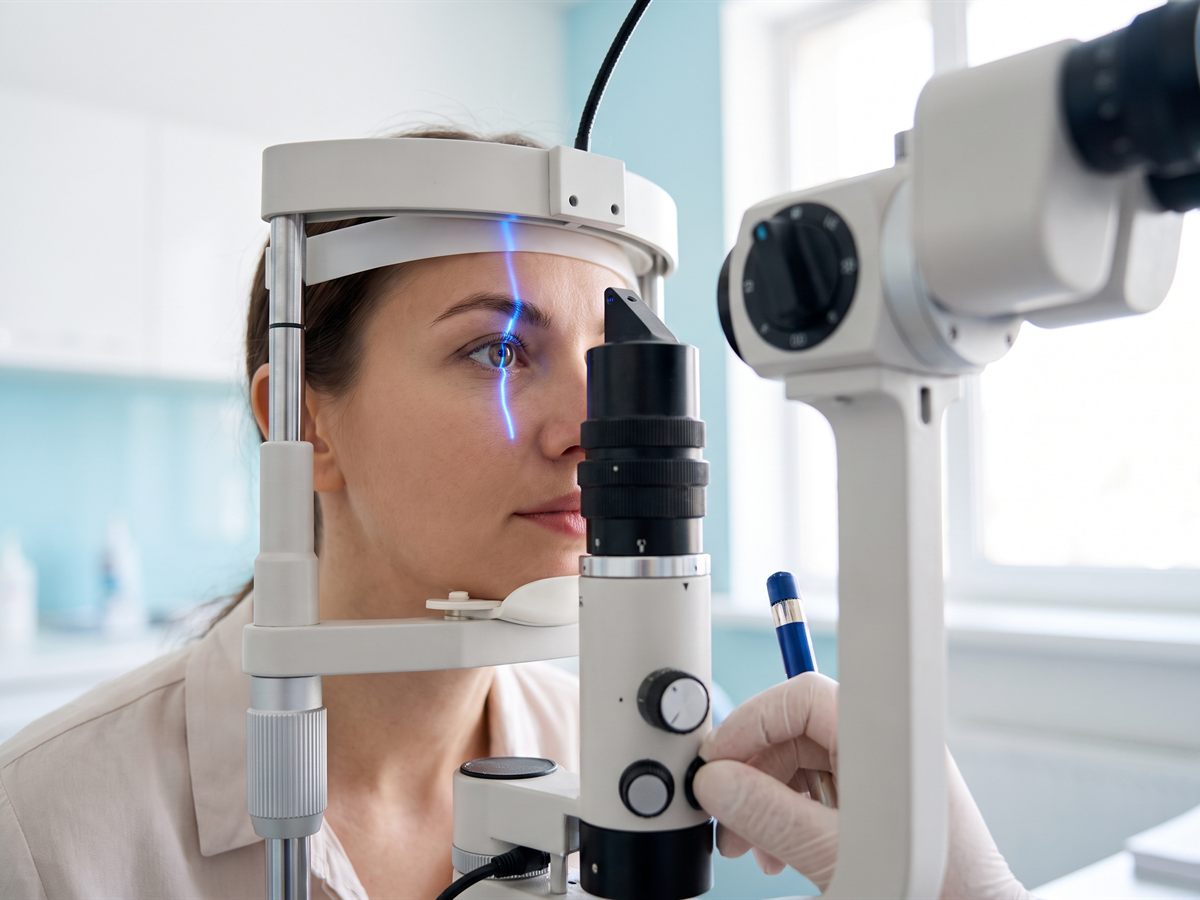
Diagnostic lenses are assessed at the slit lamp — how the lens centers, moves and clears the cornea — before anything is ordered.
Follow-up visits re-check the fit and the health of the corneal surface, so a lens that fits well today keeps fitting well.

Specialty lenses reward patience and attention to detail. Dr. Scott Grossman, O.D. has cared for Miami eyes for more than 20 years, and contact lenses for challenging prescriptions are a focus of the practice — not a sideline. Your fitting happens in the same office as your comprehensive eye exam, so your eye health and your lenses are managed together.
Straight answers to what patients ask us most about specialty lenses.
That’s exactly what an evaluation is for. Call and we’ll help you decide whether to book a specialty fitting or a routine contact lens exam.
Call (305) 466-0777Specialty contact lenses are custom-designed lenses made for eyes that standard contacts don’t fit or correct well. They’re specified from detailed measurements of your individual eye and include scleral lenses, orthokeratology (Ortho-K) lenses, rigid gas permeable lenses, hybrid lenses and custom soft lenses. They’re commonly used for keratoconus, irregular corneas, high or complex prescriptions, corneas that have changed after surgery, and significant dry eye.
Not in general — they’re different. For an eye with a regular shape and a common prescription, a standard soft lens is usually the simplest, most comfortable and most economical option. Specialty lenses exist for eyes that fall outside that range. The right lens is the one that gives your particular eye clear, comfortable, healthy vision, and an evaluation is how that’s determined.
Scleral lenses are most often considered for people with keratoconus or other irregular corneas, for corneas that have changed after surgery, for complex prescriptions that soft lenses can’t correct well, and for some people with significant dry eye. They aren’t the first choice for everyone; your eye doctor will weigh them against smaller rigid, hybrid or custom soft designs.
Many patients find scleral lenses comfortable once they’re fitted well and used to handling them, because the lens rests on the less sensitive white of the eye rather than on the cornea, and keeps the cornea bathed in saline. Comfort does vary from person to person, and there’s typically a short learning curve for insertion and removal, which we teach you in the office.
Orthokeratology, or Ortho-K, uses custom rigid lenses worn overnight to gently and temporarily reshape the front of the cornea. Suitable candidates may see clearly during the day without glasses or contacts. The effect is reversible and depends on continued nightly wear. It’s most commonly used for nearsightedness and some astigmatism, and it’s also one of the approaches used in myopia management for children.
Often, yes. Keratoconus causes the cornea to thin and bulge into an irregular cone shape, which glasses and standard soft lenses correct poorly. Rigid designs — scleral lenses in particular — create a smooth, regular optical surface over the irregular cornea, which may substantially improve vision for many patients. How much improvement is possible depends on the individual eye, and lenses do not stop keratoconus from progressing, so your eye doctor will monitor the cornea over time.
They may. Scleral lenses hold a reservoir of preservative-free saline against the cornea while they’re worn, and some patients with significant dry eye find that this improves both comfort and vision. Specialty lenses aren’t a treatment for the underlying dry eye condition, though, and results vary. Dr. Grossman evaluates the eye surface first and can discuss lens options alongside dry eye treatment.
Longer than a standard fitting. Expect an initial evaluation and measurement visit, one or more diagnostic lens visits, a dispensing visit when your custom lenses arrive, and follow-up appointments. Because the lens is refined to your eye, the number of visits varies from patient to patient and can’t be promised in advance. We’ll keep you informed at each step.
It depends on your plan and your medical circumstances. Some vision and medical plans provide benefits for medically necessary contact lenses when there’s a qualifying diagnosis such as keratoconus, while elective options like Ortho-K are often not covered. We’ll check your specific plan before your visit so you know what to expect — call (305) 466-0777.
You don’t need to decide that before you come in. The choice depends on measurements of your cornea, your prescription, the health of your eye surface, your lifestyle and how you’ve done with lenses before — all of which are evaluated during a specialty contact lens fitting. Dr. Grossman will explain the options that suit your eyes and the trade-offs of each.

Specialty contact lenses are highly individualized. The first step isn’t choosing a lens — it’s a professional evaluation that shows what your eyes need. Book with Dr. Grossman, or contact our office and we’ll help you decide where to start.
Most insurance accepted, including Medicaid · Saturday morning appointments · (305) 466-0777
This page provides general educational information about specialty contact lenses and is not a substitute for an eye examination. Only an eye doctor who has examined your eyes can determine whether a specialty lens is appropriate for you.
Conveniently located in downtown with ample parking. We accept most major insurance plans including VSP, EyeMed, and Blue Cross Blue Shield.
